
Government-Funded Early Childhood Education: A Reliable Path to Nationally Recognised Qualifications
Australia continues to face a shortage of qualified early childhood educators, creating strong demand for skilled professionals. Government-funded training initiatives now make it possible to complete recognised courses online or via blended delivery, offering pathways equivalent to TAFE qualifications. These programs suit individuals with no prior experience and allow flexible study that fits around work and family responsibilities.
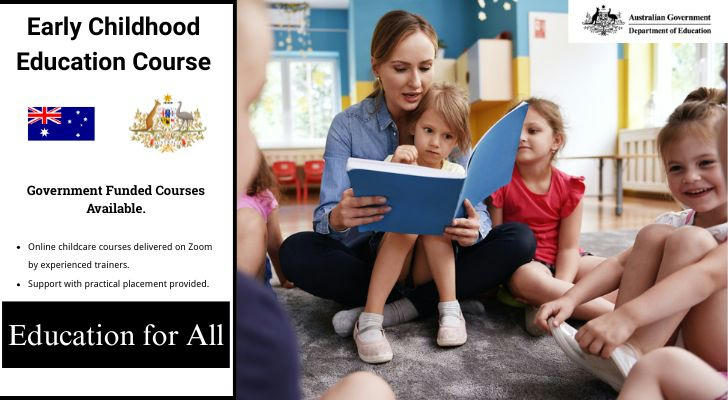
🎓 Why Choose Government-Funded Early Childhood Education Courses?
- High Industry Demand – Early childhood educators remain in strong demand across all states and territories.
- Flexible Learning Options – Online and remote study allow learners to progress at a manageable pace.
- Nationally Recognised Certification – Certificates such as CHC30121 Certificate III in Early Childhood Education and Care are valued across Australia.
- Wide Career Prospects – Opportunities include early learning centres, kindergartens, family day-care, and support roles.
- Employment Support – Many providers offer job-readiness training and placement assistance.
📘 What Will Be Learned?
Participants typically gain:
- Foundations of child development
- Skills in supporting learning through play
- Understanding of the National Quality Framework
- Safety, health, and nutrition practices
- Inclusive education strategies
- Practical experience through supervised work placement
👶 Who Is It Suitable For?
| Age Group | Suitability & Notes |
|---|---|
| 18–25 | Ideal for those starting a new career and seeking qualifications with strong job prospects. |
| 26–40 | Suitable for individuals transitioning careers or returning to the workforce with flexible study needs. |
| 41–55 | Beneficial for those searching for stable, meaningful work and interested in supporting young children’s development. |
| 56+ | Appropriate for mature learners interested in community-focused roles with supportive training pathways. |
💰 Government-Supported Programs
- StudyAssist – Provides information on HELP loans and support options to make training more accessible.
- Scholarships and Bursaries – Offered through various institutions and state initiatives to reduce study costs for eligible applicants.
⭐ Success Story
Many learners have used government-funded options to complete nationally recognised qualifications in a short timeframe. Several graduates have transitioned from unrelated industries into early childhood roles, gaining practical experience during placement and moving quickly into positions in long-day-care centres or kindergartens.
💼 Salary and Career Outlook
Early childhood educators enjoy stable employment prospects, with ongoing growth driven by population needs and government investment. Salaries vary by state, qualification, and centre type, with higher-level roles such as room leaders or educational leaders offering increased earning potential.
📝 How to Apply
- Check Eligibility – Review entry requirements and government-funded criteria.
- Select a Course – Choose a nationally recognised qualification such as Certificate III or Diploma in Early Childhood Education and Care.
- Submit Documentation – Provide identification, residency details, and academic records if required.
- Confirm Study Mode – Choose online, blended, or on-campus options.
- Complete Orientation – Finalise enrolment and begin coursework.
🌟 Conclusion
Government-funded early childhood education pathways offer accessible, flexible, and nationally recognised routes into a high-demand profession. With strong career prospects and supportive training models, motivated learners can confidently build a rewarding future in Australia’s early learning sector.